Washington Senior Care Overview
Choosing senior care in Washington is a major decision. Costs vary widely, licensing rules are specific to our state, and each community or adult family home offers a different mix of support. This page gives families a clear starting point before exploring local options. It reflects years of touring, research and day to day work with communities across Washington.
Silver Age is a local, family owned advisory team. We help families from Tacoma to Everett and east to Wenatchee understand their care needs, compare real options, and move forward with confidence.
Start Here
If you want a place to begin, visit our simple guide on when to start planning.
It explains the early signs that care may be needed and how to move forward at your own pace.
Or, if you already know you’d like guidance, contact our team for a planning call.
Senior Care in Washington
Washington offers several types of senior living and long term care. Each one serves different needs and budgets. Understanding these settings makes it easier to know where to begin.
Assisted Living
A licensed community that provides meals, housekeeping, personal care, medication support and social activities. Ideal for older adults who want a social setting with help available when needed.

Memory Care
A secure, specialized setting for people living with Alzheimer’s or other forms of dementia. Staff receive additional training and the layout is designed for safety and predictability.
Adult Family Home
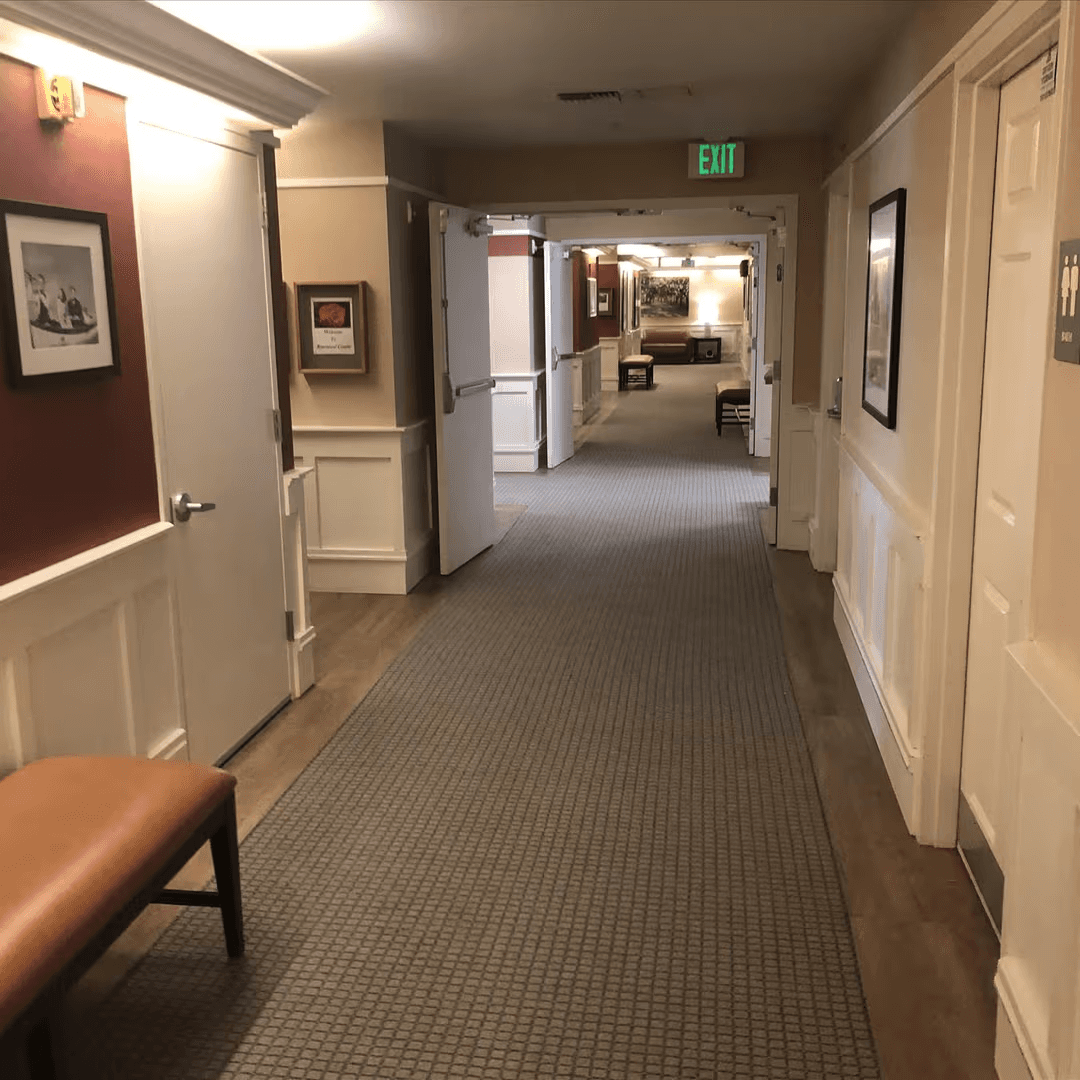
Small residential homes licensed to care for up to 8 adults. They offer a high staff to resident ratio and individualized support. These homes often serve people with higher care needs.

In-Home Care
Licensed caregivers provide support in the person’s own home. Services may include personal care, medication reminders, meal preparation and companionship. In home care works well for people who want to remain at home but need consistent help throughout the day. The cost depends on hours per week and caregiver availability.

Skilled Nursing Facility
A medical setting that provides 24 hour nursing oversight, rehabilitation, and complex medical care. Skilled nursing is usually appropriate after a hospital stay or when someone has ongoing medical needs that cannot be managed safely in assisted living, adult family homes or at home with caregivers. Stays may be short term for rehab or long term for residents who need continuous nursing support.
Retirement Community
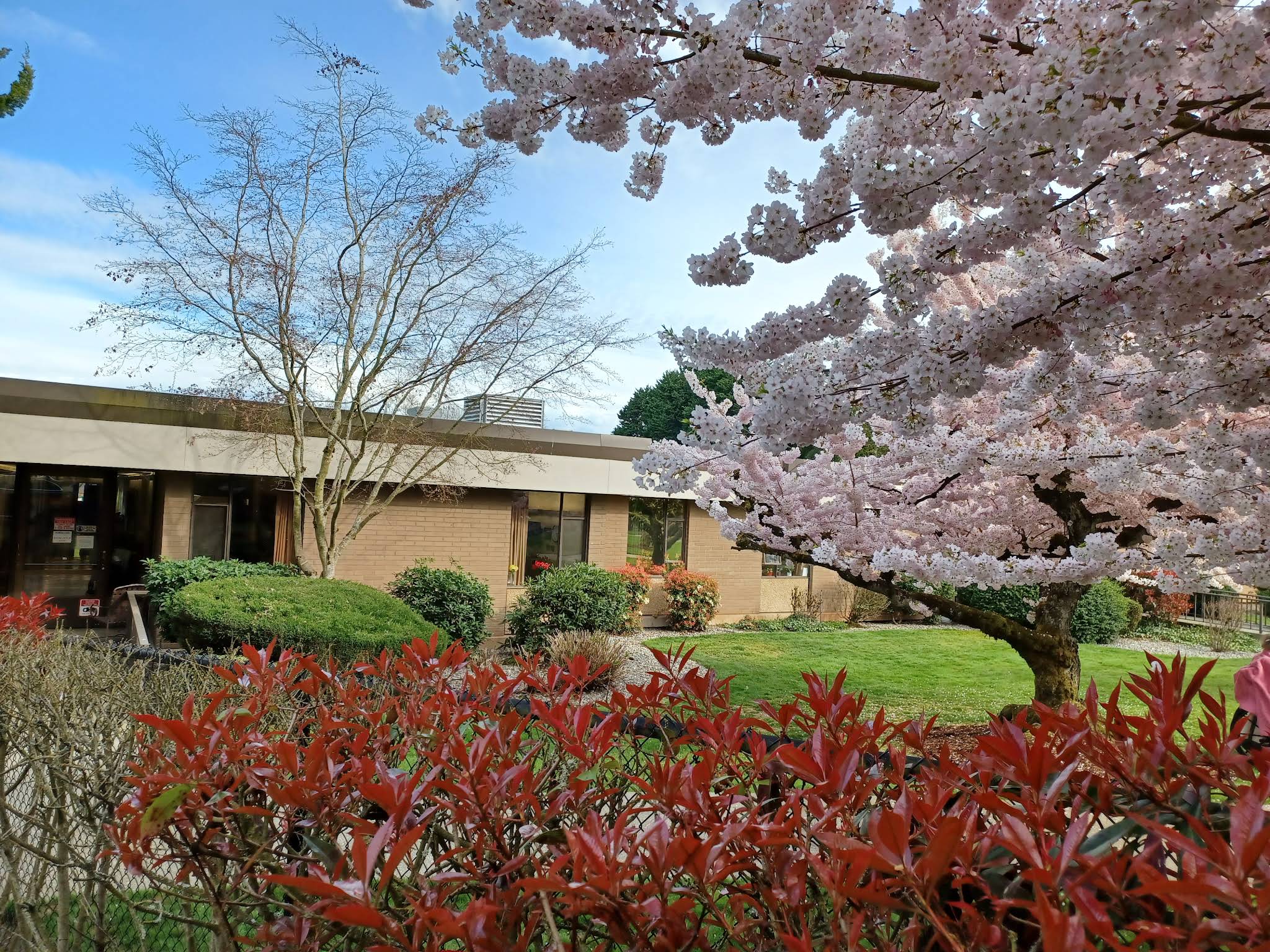
Designed for older adults who want maintenance free living with meals and activities, but without hands on care.
Continuing Care Retirement Communities (CCRCs) in Washington State
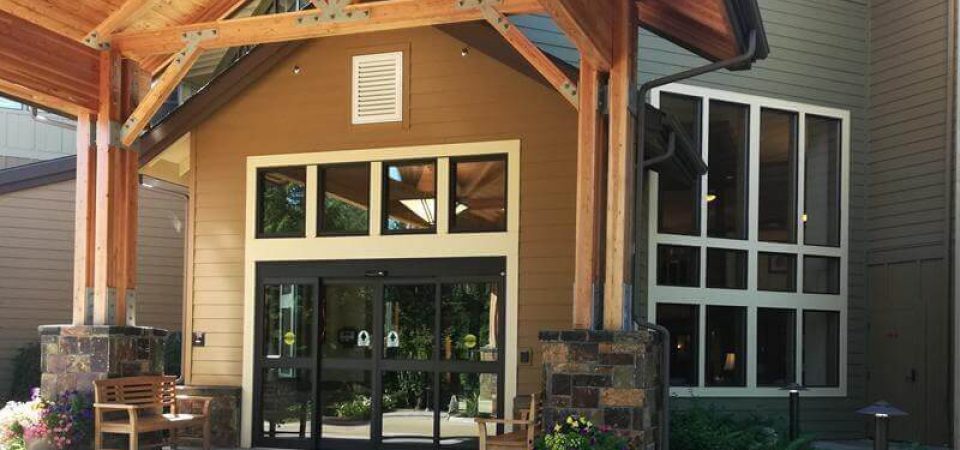
Larger campuses that offer independent living, assisted living, and skilled nursing in one location. Most require an entrance fee. Entrance fees may or may not be refundable, depending on the contract.

How Senior Care Is Regulated in Washington
Washington uses a detailed licensing and oversight system managed by the Department of Social and Health Services. Each assisted living community and adult family home receives routine inspections. These inspections review safety, staffing, medication management, resident rights and overall care practices.
Families can view inspection findings online, but the reports are often difficult to interpret. They focus on compliance details and rarely include plain-language explanations. Silver Age advisors use these records along with our own tour notes, follow up visits, and feedback from the families we serve to understand long term patterns in care and management.
If you want to understand how inspections work in Washington and what they do and don’t show, visit our DSHS inspection guide.
What Senior Care Costs in Washington
Costs in Washington tend to be higher than many parts of the country. Typical monthly ranges are:
Assisted Living from about
$4,500
to
$20,000
Memory Care from about
$9,000
to
$20,000
Adult Family Home from about
$8,000
to
$15,000
In-Home Care from about
$400
to
$20,000
Skilled Nursing Facility from about
$13,000
to
$20,000
Retirement Community from about
$3,000
to
$10,000
Continuing Care Retirement Communities (CCRCs) in Washington State from about
$3,500
to
$13,050
These ranges shift based on county, level of care and each provider’s staffing model.
See detailed senior care costs across Washington.
Typical price ranges can be a starting point, but real pricing depends on your care needs and the type of community you are considering. A short conversation helps us estimate more precisely.
If you’re already comparing providers, our Senior Living Cost Calculator can help you understand how entrance fees and move in fees shape long-term costs.
Additional Notes on Fees
Continuing Care Retirement Communities (CCRCs)
Many CCRCs require a significant one time entrance fee. These fees vary widely, from modest amounts to several hundred thousand dollars, depending on the residence and the contract structure. Entrance fees help cover long term access to multiple levels of care on one campus, but the upfront cost can be substantial. Families should review refund rules, what portion is refundable, and what the monthly service fees include.
One Time Move In (community) Fees
Many assisted living and memory care communities charge a one time move in or community fee. These fees are not small add ons. They often range from about 2,500 to 80,000 depending on the provider, the apartment type and the level of demand. They usually cover room readiness such as painting or carpet replacement along with assessments, care planning and administrative work.
Adult family homes may or may not charge a move in fee. When they do, the amount is usually lower than larger communities, though the structure and inclusions vary by provider.
Understanding how these fees are calculated and what they include can help families make more accurate comparisons.
How to Understand These Fees Over Time
Initial fees can feel surprising, especially when families focus on monthly rates. Our Senior Living Cost Calculator can help you see how move in fees, entrance fees and ongoing monthly costs influence the total cost of care over time. It gives a clearer picture of the long term impact, which supports better planning and budgeting.
Annual Rate Increases and Long Term Planning
Most providers adjust monthly rates once a year. Typical increases fall in the five to seven percent range, though some communities have gone as high as nine percent. Over several years, these changes can add up, which is why understanding a provider’s pricing history and structure is important for long term planning.
Different communities use a wide range of pricing models, including monthly rates, annual increases, move in or entrance fees, and in some cases proprietary point systems. Two providers may look similar at first glance yet create very different long term costs once these elements are reviewed side by side. Our advisors help families understand these models, compare them clearly, and reduce the likelihood of unexpected costs as care needs evolve.
For families who prefer to see the numbers visualized, our Senior Living Cost Calculator includes an annual increase setting that illustrates how costs evolve over time. It is not necessary for most clients, but it can be a helpful way to understand long term budgeting when comparing several options.
How to Understand These Fees Over Time
Initial fees can feel surprising, especially when families focus on monthly rates. Our Senior Living Cost Calculator can help you see how move in fees, entrance fees and ongoing monthly costs influence the total cost of care over time. It gives a clearer picture of the long term impact, which supports better planning and budgeting.
Why Senior Care Costs More in Washington
Several major cost drivers make Washington consistently more expensive than many other states. Labor and operating costs in Washington are some of the highest in the United States. Nursing assistants and care aides in our state are paid about 25 to 35 percent more than the national median. Higher staffing expectations, state taxes and fees, higher liability insurance, and higher commercial property costs also affect pricing. As a result, monthly rates in Washington often sit $1,000 to $1,500 above the national average for similar levels of care.
CNA Median Hourly Wage
Construction Cost Index
Liability Insurance
Workers Compensation Costs
Common Situations That Bring Families to Senior Care
Families contact us when they are facing real concerns at home. These include:
Memory loss or confusion that creates safety risks
A recent fall or hospital stay
Caregiver burnout
Wandering, missed medications or difficulty managing daily tasks
Increased medical needs that go beyond what is safe at home
Financial strain when care needs rise faster than expected
These moments can feel overwhelming. A clear plan and a guide who understands the Washington landscape can prevent rushed decisions and costly mistakes.
How Senior Placement Works in Washington
The senior care market in Washington is complex. Communities vary widely in culture, staffing and overall reliability. National referral sites often show broad lists, but they rarely tour communities or understand day to day conditions.
Silver Age is a local team that tours providers across the state, tracks changes in management, and maintains detailed internal notes going back many years. We help families understand their needs, compare real options, visit communities with purpose, and move forward with confidence. Most families pay nothing for our service.
Learn more about how our process works when compared to other options.
Service Areas We Support
We serve families throughout Western and Central Washington. This includes:
Seattle, Bellevue, Kirkland, Redmond, Sammamish, Issaquah, Bothell and Mercer Island
Everett, Lynnwood, Mill Creek and Snohomish County
Tacoma, Puyallup, Bonney Lake, and Pierce County
Wenatchee and surrounding areas
Care availability and cost vary somewhat by region, which is why a statewide perspective can be helpful before choosing a specific city.
How to Compare Senior Care Options
What matters most when evaluating providers is not always obvious from brochures or online reviews. Our team looks closely at:
Staffing patterns and turnover
Management stability
Apartment or room layouts that match mobility needs
Dining and activity patterns
Safety practices
Family feedback after move in
Online reviews can be helpful but often give an incomplete picture. Long term patterns tell a more reliable story. We combine state inspection data with long-term notes, repeated visits and family feedback to understand the full picture.
Learn more on our Senior Care Reviews and Evaluation Method page.
When to Start Planning
Planning early gives families better choices. Availability shifts quickly and many of the best options maintain waitlists. After a fall or sudden decline, these choices become limited and harder to secure.
A simple conversation can help you understand your options and choose the right next step. Early planning reduces stress and allows families to move forward on their terms.
Here are a few resources we've built to start the planning process.
Use this worksheet to compare your current monthly household expenses with the costs covered by assisted living. Fill in your actual expenses in the left column, then compare them with the services already included in senior housing.
If you’re beginning to think about future care or a possible move, it helps to slow the process down and focus on what matters most to your loved one. We put together a short PDF guide with thoughtful questions that make these early conversations easier. It covers daily routines, comfort preferences, social connections, safety considerations, and the small things that bring joy.
It’s a gentle place to start, whether you’re exploring options for the first time or preparing for a change in the coming months.
If you want help turning these answers into a clear plan, our advisors are here to guide you.
Exploring Senior Care Options Before a Crisis
Get Support for Your Next Step
If you want guidance for your specific situation, we can help. A call with our team brings clarity, direction and a sense of relief. We learn about your needs, share what to expect in Washington, and help you decide whether you want a few pointers or more hands on support.
Ready to Talk?