Washington Senior Care Costs Overview

Senior care costs in Washington are higher than much of the country. This reflects our state’s wage laws, training requirements, housing costs and strong demand for care. Even within the same city, pricing can vary widely depending on care needs, staffing levels, room type and the provider’s operating model.

This guide gives families a clear starting point for understanding what senior care really costs in Washington, why prices vary and how to plan ahead with confidence. For personalized guidance and real pricing for your care needs, our team is here to help.

Start Here

If you’re beginning to explore senior care costs in Washington, these resources can help you get oriented:

Senior Living Cost Calculator
See how monthly rates, move in fees and annual increases influence long term affordability.

Cost of Care Guide
A simple overview of what families should expect and how to plan ahead.

Book a Care Planning Call
Get pricing tailored to your loved one’s care needs and location, along with guidance on how to compare providers.

Why Senior Care Costs Are Higher in Washington

Washington consistently ranks among the most expensive states for long-term care. Several factors contribute to these higher costs:

Labor costs

Washington has one of the highest statewide minimum wages and caregiver wages in the country, which significantly influences monthly rates.

Training and regulatory requirements

State rules for caregiver certification, continuing education and staffing contribute to higher operating costs.

Housing and operating expenses

Higher rent, taxes and utilities increase the cost of operating both small and large communities.

Why These Factors Matter for Families

These elements together help explain why Washington’s senior care costs are higher than the national average and why pricing varies so much between providers. Even communities with similar amenities may have different operating expenses, staffing models or regulatory requirements, which influence the monthly rate families see.

Strong Demand and Limited Practical Availability

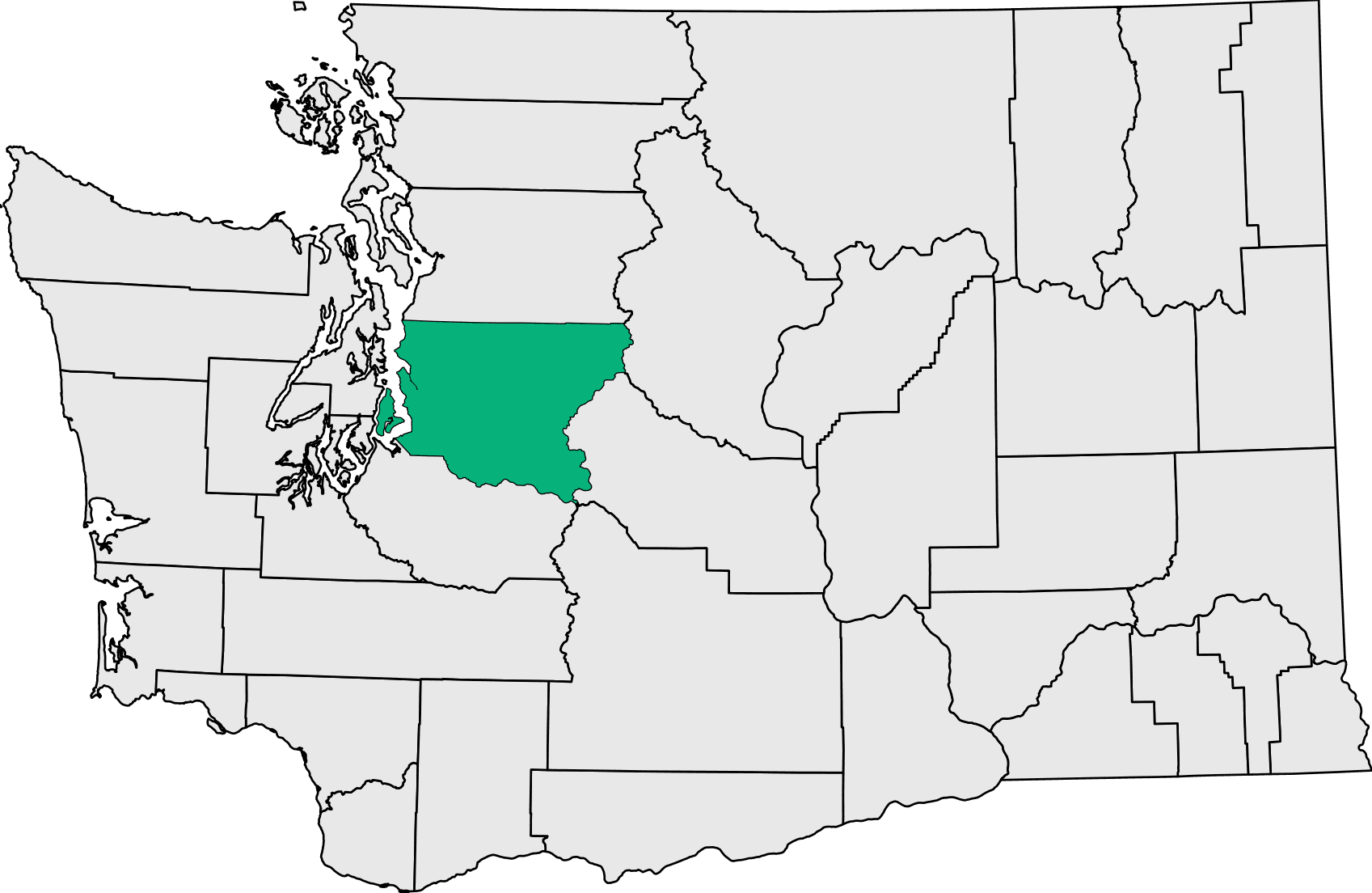
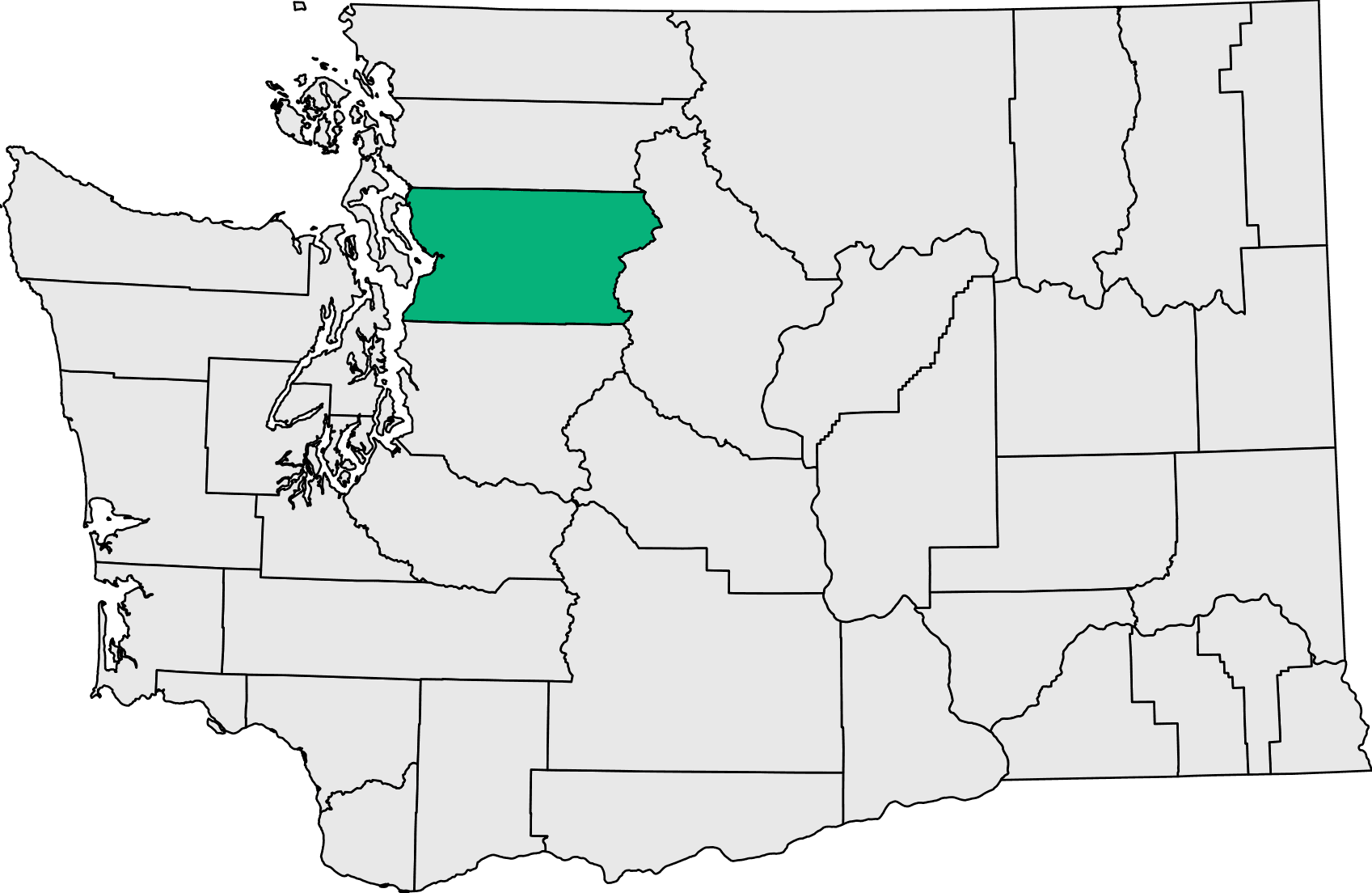
Many areas, especially King and Snohomish counties, experience steady demand for established, reputable providers. Openings in these communities are often limited, which affects pricing and availability.

At the same time, many new adult family homes open every month in Washington, and most are actively looking for their first residents. While this increases the total number of licensed providers, it does not always translate into practical options for families.

There are several reasons:

1. Location may not match the family’s needs
New homes often open in neighborhoods that are inconvenient for family visits, care coordination or medical access.

2. Reputation and reliability take time to understand
A newly licensed home may meet all required standards, but it takes months of observing staffing consistency, owner involvement and day-to-day routines before families or advisors can speak confidently about the experience there.

3. Operating a small care home is expensive
Even new homes typically require higher monthly rates to cover staffing, food, supplies, training and mortgage costs. Lower cost is not guaranteed simply because a home is new.

Because of these factors, new homes expand the overall supply, but families still encounter limited availability among providers with established track records and convenient locations. This is one reason the search process can feel challenging, even in areas with a large number of licensed homes.

What Influences the Cost of Care

Senior care pricing in Washington varies widely because several factors influence both the base rate and any ongoing costs. Understanding these elements helps families compare options more accurately and reduces the chance of unexpected expenses later on.

Level of Care Needed

Care needs are the single biggest driver of cost across all settings.
Support with medication management, mobility, memory care, behavioral needs or two-person transfers can increase monthly rates in any community.
In in-home care, total cost depends on how many hours of support are needed each week. A few hours can be manageable, while full-day or overnight care becomes significantly more expensive and can eventually exceed the cost of community living.

Room or Apartment Type

Costs can vary greatly based on the layout and size of the room.
A top-floor one-bedroom with a view in assisted living may cost far more than a smaller interior studio. In adult family homes and skilled nursing, private rooms carry higher rates than shared rooms.

Staffing and Training Requirements

Higher staffing ratios, advanced caregiver training and the ability to support complex conditions all influence pricing. This applies to adult family homes, assisted living, memory care, skilled nursing and in-home care agencies.

Location

Communities in desirable or central areas — close to family, medical services or amenities — often have higher pricing.
For adult family homes, location also influences the size of the home, its layout, accessibility and the surrounding neighborhood.

Community Quality and Amenities

Quality plays a major role in pricing.
In assisted living and memory care, factors such as dining programs, activities, transportation, building design, views, apartment size and overall environment create substantial variation.
Adult family homes also vary widely, from simple shared spaces to high-end homes with private suites, views or specialized equipment.

Specialization or Acuity

Homes and communities that can support higher-acuity needs — such as advanced dementia, wandering, mobility challenges or significant medical needs — usually have higher rates due to staffing, safety requirements and licensed training.

Contract Structure and Long-Term Commitments

CCRCs involve the largest long-term commitment of all senior living options. Entrance fees are substantial, contract types vary and leaving a CCRC can be more complex than transitioning between traditional assisted living or adult family homes. Careful review of contract terms and refund policies is essential.

Initial Fees and One-Time Costs

Many communities charge move-in or community fees to cover room preparation, assessments, care planning and administrative work. These fees vary widely and should be considered part of the total cost, not optional extras.

Annual Rate Increases

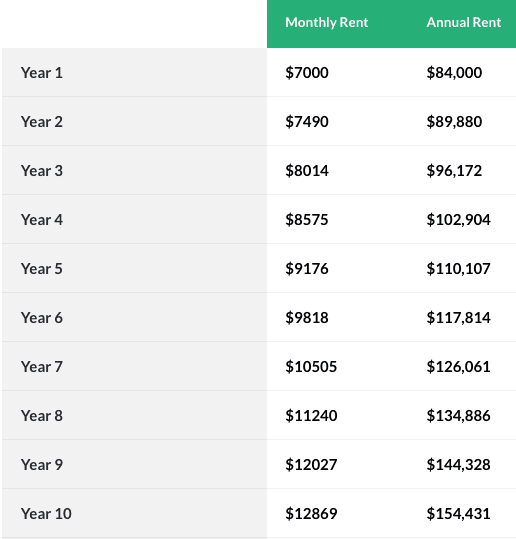
Most providers implement annual increases, often between 5 and 7 percent in Washington and sometimes higher. Because these increases compound over time, understanding a provider’s historical patterns is an important part of long-term planning.

Adjustment Period After Move-In

The first month in a new setting can involve an adjustment period as the resident adapts to new routines and the provider learns their daily needs. Care levels sometimes shift slightly during this period.
A clear assessment and smooth communication between families and providers help reduce the likelihood of unexpected changes.

Availability and Market Demand

Demand for senior care in Washington remains consistently strong, especially in King and Snohomish counties.
Although new adult family homes open every week, they may not be in convenient locations or may still be establishing their care routines and team. Established communities with strong reputations can have limited openings, which affects pricing and availability.

Helpful Tools and Comparisons

For a side-by-side comparison of each care type and what it includes, you can review our Care Options Overview.

If you prefer to visualize long-term costs — including how fees, annual increases and contract structures affect the total — our Senior Living Cost Calculator can help.

Cost Comparison by Care Type

The ranges below reflect typical private-pay pricing in Washington. Actual costs depend on assessment, room type, location and availability.
For a side-by-side comparison of each care setting and what it provides, you can also review our Care Options Overview.

Adult Family Home

Typical Range:

$8,000

-

$15,000

Specialized or high-acuity homes: 11,000 to 15,000+
Adult family homes vary widely. Location and the quality of the home itself play a major role in pricing. Some homes are modest and simple, while others offer stunning architecture, views and highly personalized environments. Many homes also specialize in complex needs, including advanced dementia, behavioral support and late-stage conditions, which can increase cost.

Beautiful outdoor deck at a local adult family home

Assisted Living

Typical Range:

$4,500

-

$20,000

Assisted living offers good value for many older adults, and pricing depends on several factors. Apartment type is one driver since a larger layout or a premium view can cost more than a standard suite. Care needs also influence monthly rates because support with mobility, medication management or behavioral needs adds to the base fee. Community quality plays a significant role as well. Buildings with extensive amenities, strong dining programs, desirable locations and higher-end finishes tend to have higher monthly rates. Understanding how these elements work together helps families compare options more accurately.

A senior and their caregiver sitting on a bench outside an assisted living community

Continuing Care Retirement Communities (CCRC)

Typical Range:

$3,500

-

$13,050

Entrance fees: often six figures, depending on the residence and contract type
CCRCs provide a long-term plan by offering independent living, assisted living, memory care and nursing care on one campus. Monthly fees can be reasonable, but the entrance fee structure varies widely. Families should understand refund rules, the scope of guaranteed care and what is included at each level of support.

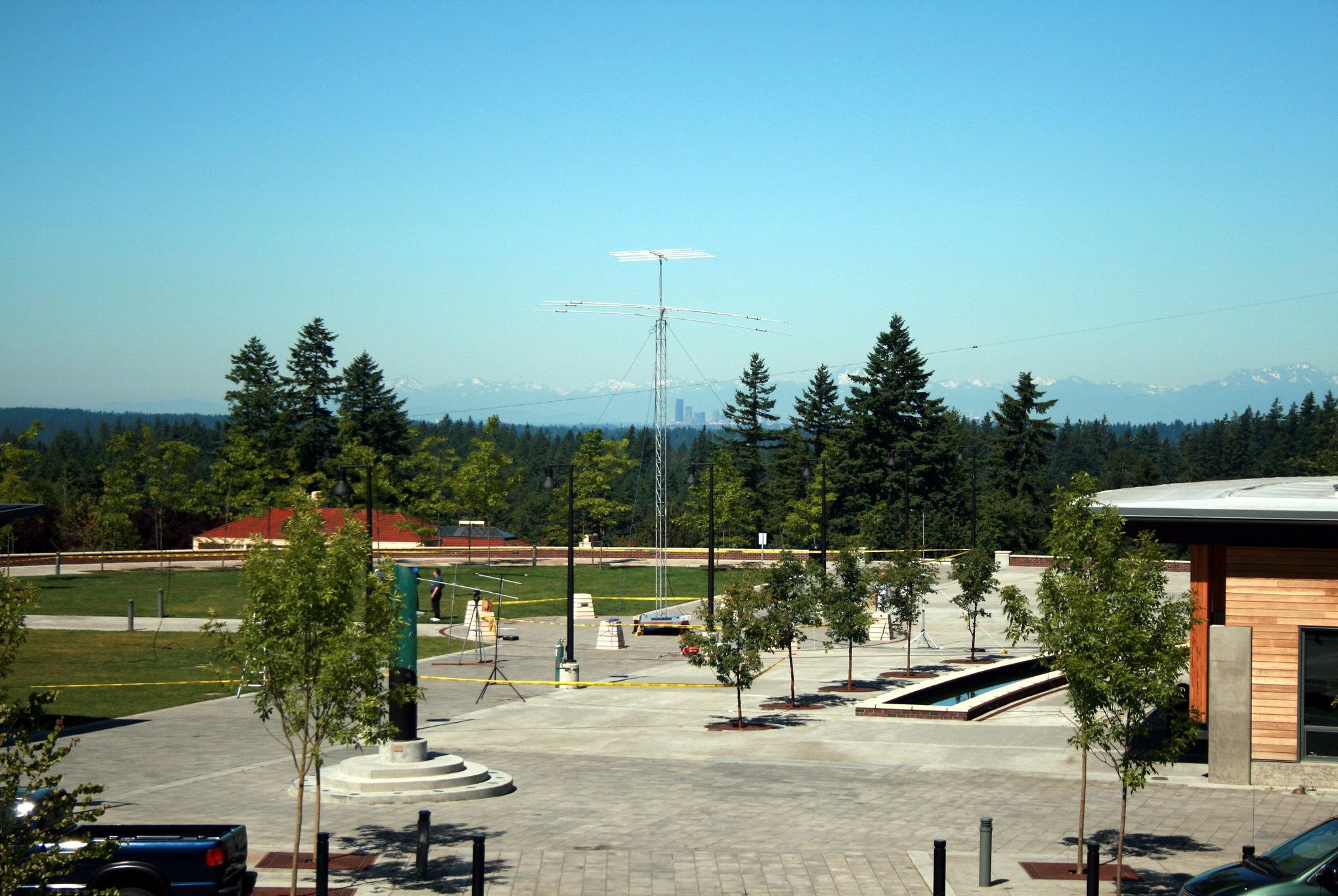
Photo of the large grounds and layout of an Issaquah CCRC

In-Home Care

Typical Range:

$400

-

$20,000

Hourly Rate: $35 - $55
In-home care allows older adults to remain in their own home while receiving help with daily needs. Costs depend on how many hours of support are required each week. A few hours of assistance can be very manageable, while full-day or overnight coverage becomes more expensive and can eventually exceed the cost of community living. It is a flexible option and works well when needs are moderate or when someone strongly prefers to remain at home. Hourly rates in Washington typically range from 35 to 55 dollars, and total monthly costs vary widely based on the schedule.
A senior in a wheelchair on a walk outside with their caregiver

Memory Care

Typical Range:

$8,000

-

$20,000

Memory care provides secure environments, trained staff and structured routines for residents living with dementia. Higher staffing ratios and specialized behavioral support drive costs above typical assisted living rates.

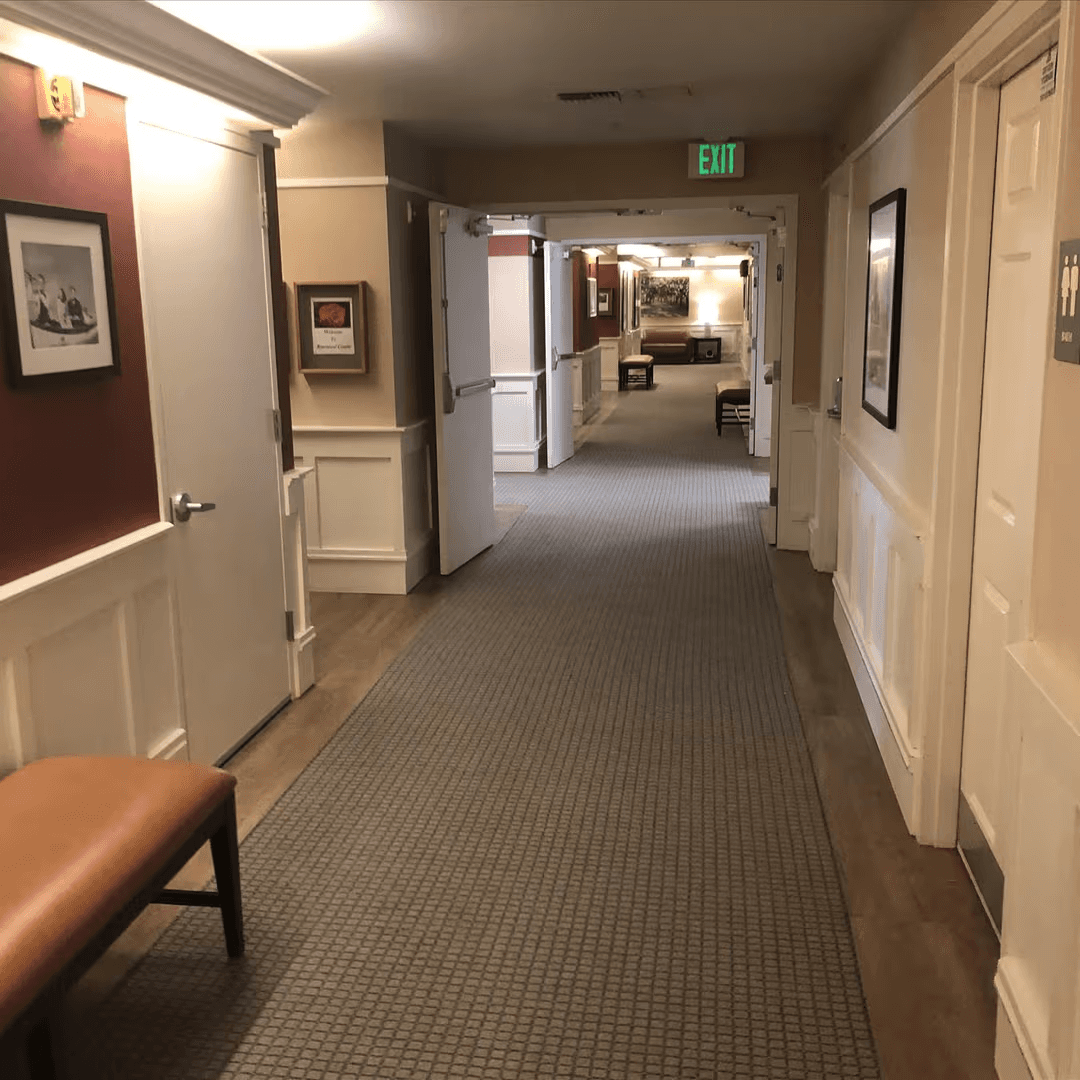
Interior hallway in a memory care community

Retirement Community

Typical Range:

$3,000

-

$10,000

Higher-end properties: 6,000 to 12,000+
Best for older adults who are independent but want meals, activities and light support. In-home caregivers can be brought into these communities just as they would be at a private residence, which makes them a strong option for seniors who may need a gradual increase in assistance over time.
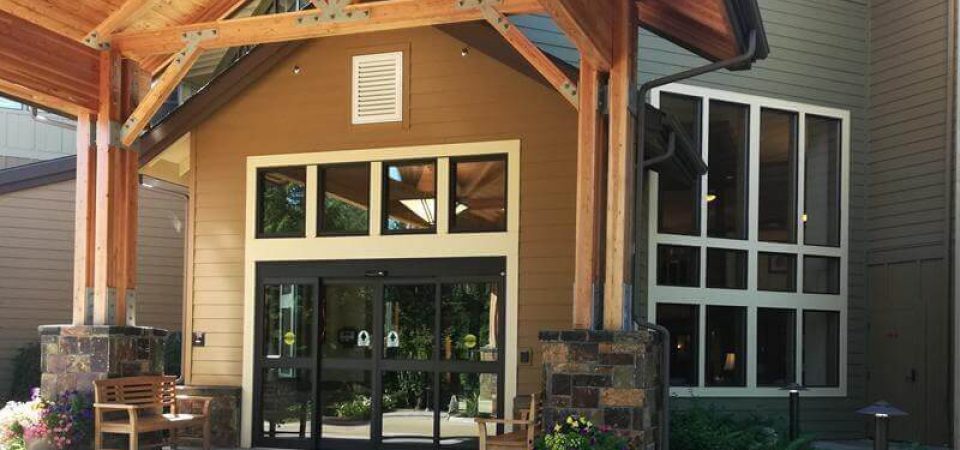
Elegant timber frame entry way at a local retirement community

Skilled Nursing Facility

Typical Range:

$13,000

-

$20,000

Skilled nursing is the most structured and medically intensive setting. Rates reflect 24-hour clinical support, rehabilitation services and higher regulatory requirements.

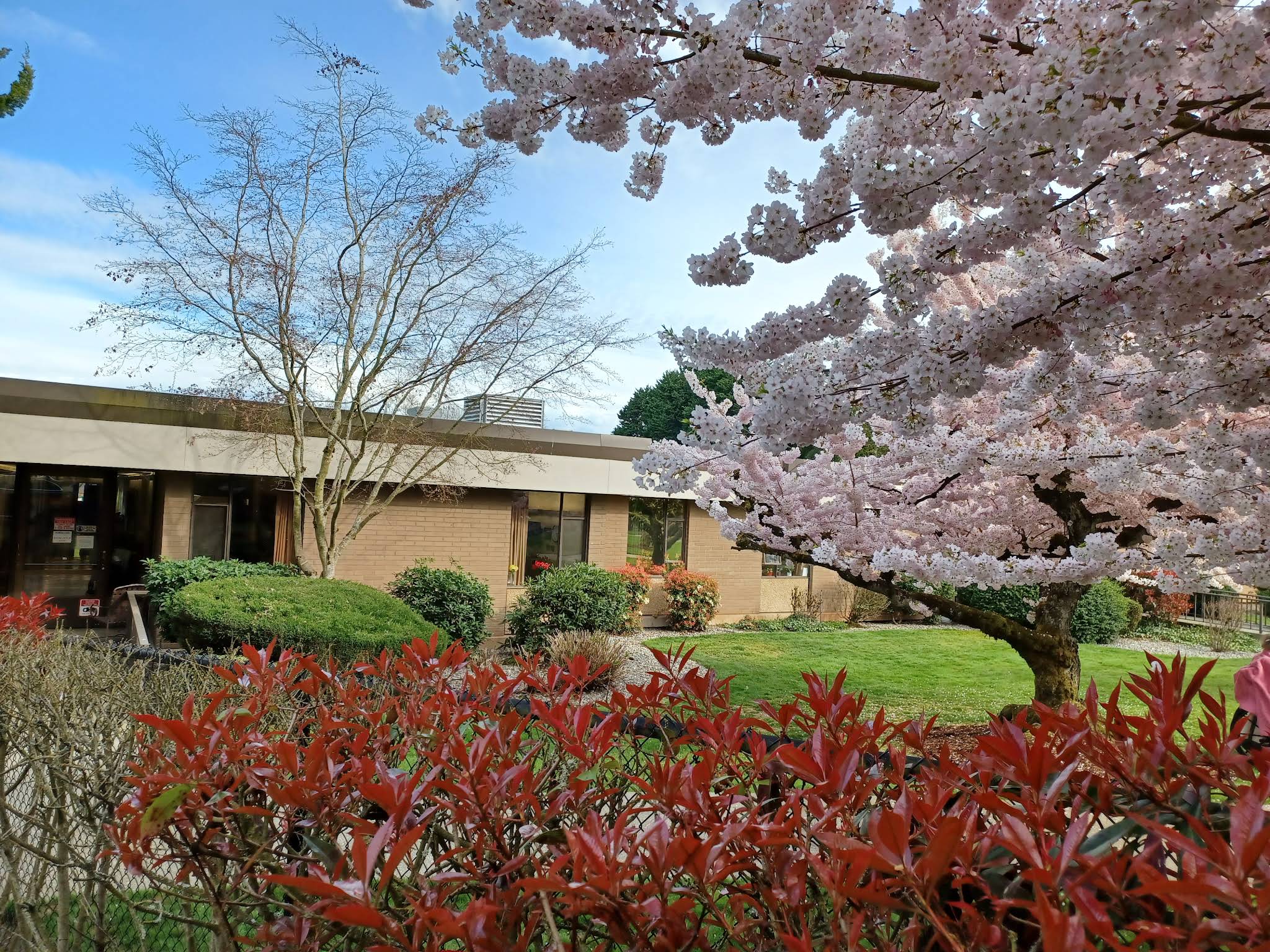
An exterior shot of a local nursing facility with a beautiful blossoming tree

One Time and Upfront Fees

Move In or Community Fees

Many assisted living and memory care communities charge a one-time fee that can range from $2,500 to $80,000, depending on the location, demand and apartment type. These fees cover room preparation such as painting or flooring, as well as assessments, care planning and administrative work.

Adult family homes may or may not charge a move in fee. When they do, the amount is usually lower than larger communities, though the structure and inclusions vary.

Continuing Care Retirement Communities (CCRCs)

CCRC entrance fees can range from modest amounts to several hundred thousand dollars. These fees support access to multiple levels of care on one campus. Families should pay close attention to what portion is refundable and what monthly service fees include.

Annual Rate Increases and Long Term Affordability

Most providers raise monthly rates once a year. Typical increases range from five to seven percent, though some communities have issued increases as high as nine percent in recent years. Even small annual adjustments compound over time, which affects long term affordability.

Different communities use a wide range of pricing models, including monthly rates, annual increases, move-in or entrance fees and, in some cases, proprietary points systems. Two providers may look similar at first glance yet create very different long term costs once these elements are compared side by side. Our advisors help families understand these models clearly and reduce the likelihood of unexpected costs as care needs evolve.

Understanding Early Billing Changes After a Move

The first month in a new community can bring billing adjustments. These are usually not signs of a problem; they reflect the period when a resident is adapting to a new environment and the provider is learning what level of support is truly needed.

Common factors include:

• Adjusting to a new building layout
Falls or wandering may increase temporarily in unfamiliar environments, especially if the layout is larger or has multiple floors.

• New social dynamics
A resident’s behavior and routines can change as they adapt to new peers, shared spaces or new roommates.

• Medication or health adjustments
Doctors or providers may refine medications or care approaches during the transition period.

While no one can remove all variability during the first month, thoughtful preparation helps. Silver Age mitigates many early surprises by ensuring accurate assessments, facilitating clear communication and setting realistic expectations between families and providers. This supports a calmer adjustment and a clearer understanding of ongoing costs.

Regional Cost Differences Across Washington

Costs vary significantly by region:

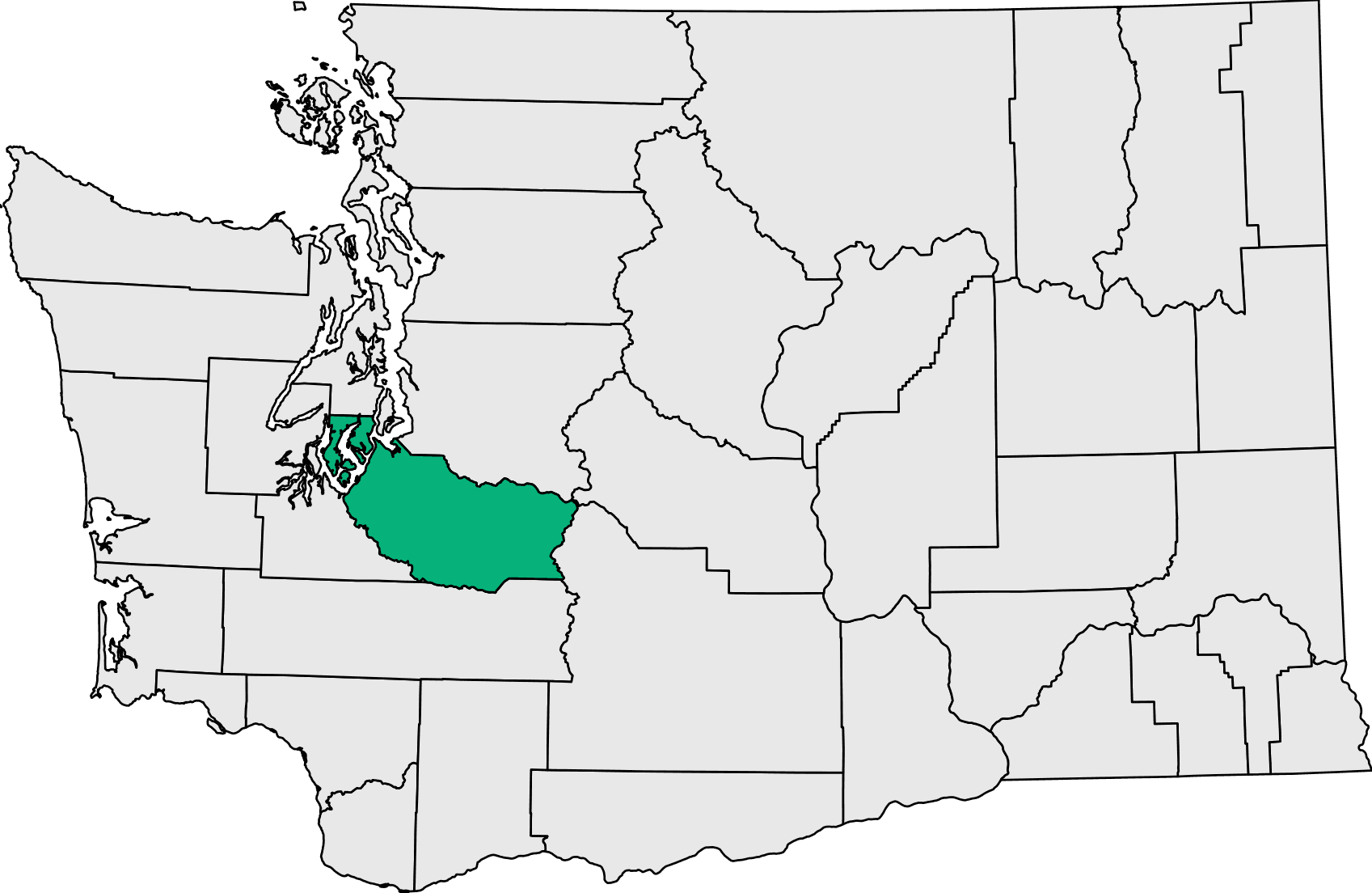
Seattle, Bellevue, Redmond, Issaquah — highest statewide due to labor and housing costs
Snohomish County — slightly lower than King County, with strong variation between cities
Tacoma and Pierce County — wider range, with some more affordable options
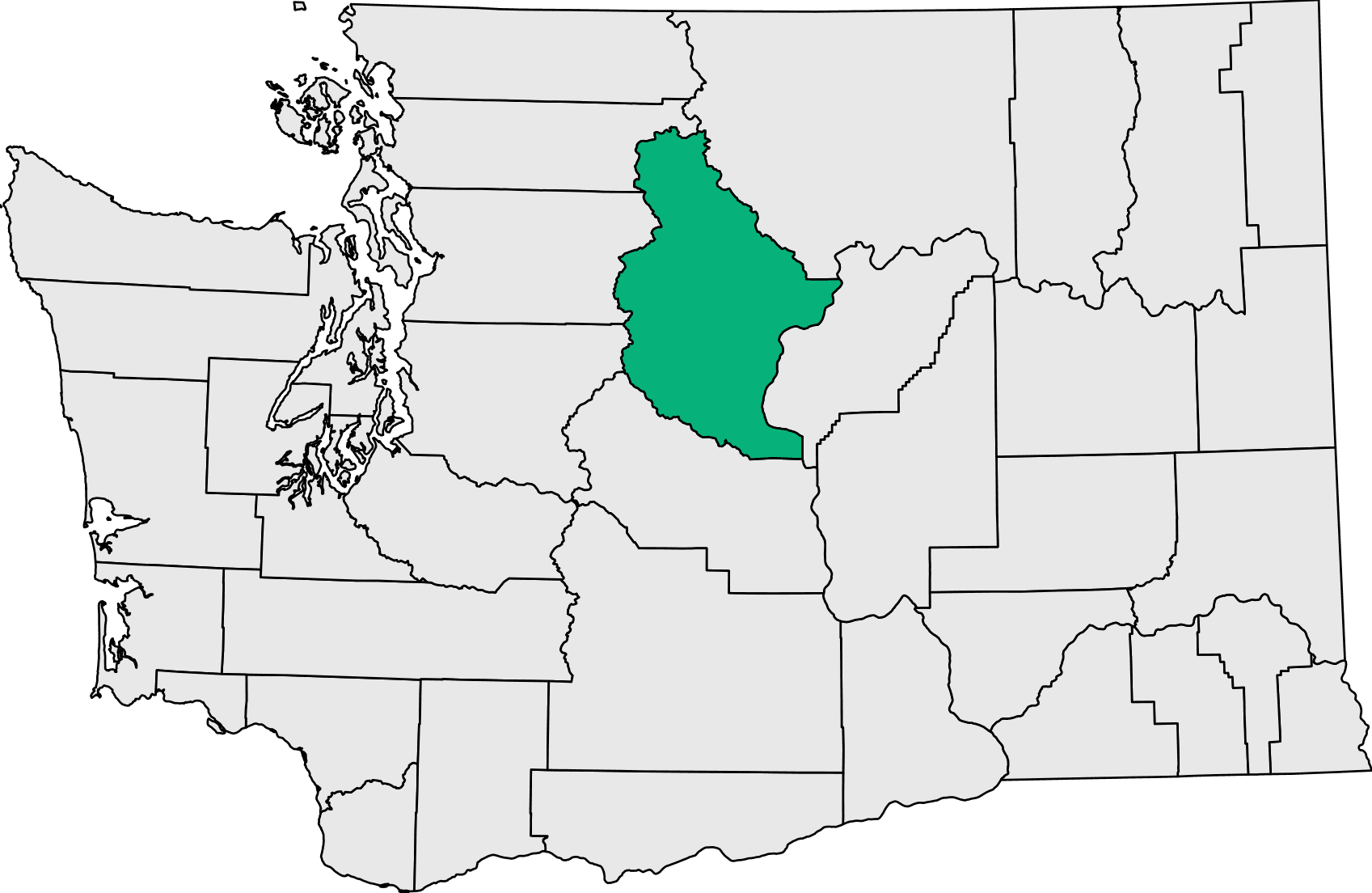
Wenatchee and Central Washington — generally lower monthly rates but limited availability in some areas

Local insight is essential because differences within a single county can be substantial.

How to Compare Costs Across Different Providers

Comparing prices is complex because:

• Base rates may not include care fees
• Some communities use tiered models
• Some adult family homes include all care in a single rate
• Memory care often bundles supervision and behavioral support
• Points-based systems vary widely across providers

Families are often surprised at how different long term costs look once all elements are reviewed together. We help families compare these patterns clearly so decisions are realistic, sustainable and aligned with long term goals.

Tools and Resources to Understand Your Costs

Resources to support clearer planning:

Senior Living Cost Calculator — helpful for visualizing multi-year scenarios
Cost of Care Guide — an accessible overview of planning considerations
Compare Senior Care Referral Options — helps families understand search approaches
Care Planning Call — personalized guidance and real pricing ranges based on assessment and location

When to Start Financial Planning

Planning before a crisis gives families more options, avoids rushed decisions and creates space to compare long term costs thoughtfully. Even if your loved one is still independent, early planning makes transitions smoother and reduces future stress.

How Silver Age Helps You Understand Real Pricing

Real pricing depends on assessment, availability, staffing structure and the provider’s operating model. We walk families through the full picture, not just the starting rates. Our long-term experience across hundreds of Washington providers helps families see differences that are not visible online.

Book Your Care Planning Call to receive clear, personalized cost guidance for your situation.

How Inspections Work

Annual Inspections

DSHS conducts regular inspections to evaluate:

  • Resident safety

  • Medication management

  • Staff training and documentation

  • Care plans and supervision

  • Emergency preparedness

  • Resident rights

These visits include interviews, record reviews and observation of daily operations.

Complaint-Based Inspections

When someone files a concern, DSHS sends an inspector to review the situation. Complaints can range from minor administrative issues to serious safety incidents.

What Violations Mean

Inspection reports list “citations,” but they vary in significance. Some address paperwork that needs updating. Others involve issues that could impact resident health or safety.

Understanding the context is more important than counting citations. For a deeper explanation of how we evaluate communities beyond the inspection file, visit our Senior Care Reviews and Evaluation Method page.

DSHS Enforcement Levels in Washington

A simple guide to how the state responds to violations

License Conditions

Requirements the provider must correct within a set timeframe.

Used for lower-level or first-time violations.

Civil Fines

Financial penalties for more serious or uncorrected violations.

Typically $100–$3,000 per day per violation, depending on the setting.

Up to $10,000 for operating without a license.

Stop Placement Order

The home cannot admit new residents until violations are corrected and stable.

Used when there is significant risk if admissions continue.

License Suspension or Revocation

The most serious action.
Used when violations are severe, repeated, or not corrected.

Why This Matters for Families

Most violations require correction rather than severe penalties. Civil fines or stop-placement orders are reserved for higher-risk situations or repeated noncompliance. Public records show only the enforcement action itself, not the long-term patterns, staffing stability or whether a community quickly resolved the issue. Independent, long-term context helps you understand what the citation truly means.

If you want to understand how this fits into the broader search process, you can review the different ways families look for senior care on our Washington senior care search comparison page.

Show Full Sources

State Provider Lookup Tools

Useful resources for reviewing licensed providers in Washington

Washington offers several public tools that list licensed senior care providers. These directories let you see basic information, licensing status and inspection dates. They are a helpful starting point, but they do not show long term patterns or daily quality.

Search skilled nursing facilities and review recent inspections.

Search adult family homes by city, ZIP code or county.

Find licensed assisted living communities and view inspection summaries.

These tools only display inspection reports from the last few years

The public lookup tools on the DSHS website list current licensing status and inspection reports, but they generally show only the most recent three years of available records. Older reports do not appear in the public interface, even if the home has operated longer. This means the lookup may not reflect long-term patterns or past concerns that happened more than a few years ago.

At Silver Age, we keep long-term notes and revisit communities regularly, which helps families understand the broader history even when older state reports are no longer listed online.

These tools are helpful, but families often need clearer context when comparing providers. Our team reviews state listings alongside our own multi-year notes, tour history and family feedback to understand each community’s long term performance.

Why Public Inspection Data Has Limits

Inspection reports offer only a partial picture for several reasons:

They can be difficult to interpret.

Reports are written for compliance professionals, which makes them technical and sometimes confusing.

They capture one point in time.

A home may receive a citation during a staff transition or paperwork audit even if it has a strong long term history. The reverse is also true.

They may not reflect leadership or ownership changes

Leadership transitions can influence the quality of care, sometimes for the better and sometimes for the worse, and these shifts are not always visible in state reports. When an adult family home changes ownership, the license number often changes as well. Because violations are tied to the license rather than the physical home, previous citations may disappear from the public file even though the residents, building and daily routines remain the same. This can make it hard to understand the full history of a home or see patterns that occurred under earlier operators.

At Silver Age, we keep long-term notes on providers across Washington, so families can recognize meaningful trends even when older state reports are no longer listed online.

Inspection cycles have slipped.

Due to staffing shortages among regulators, some providers may not be inspected as regularly as families would expect.

This is why public records should be paired with on-the-ground experience and long term notes.

Why We Combine State Records With Long-Term Experience

What recent reports and statewide patterns show

Washington’s licensing and inspection system provides important oversight for assisted living communities and adult family homes. Many providers deliver excellent care, maintain strong records and respond quickly when concerns arise. At the same time, several statewide trends are placing real pressure on the oversight system.

One of the largest challenges is the rapid growth of adult family homes. Washington now has thousands of licensed homes, with new homes opening every week and others closing or changing ownership just as quickly. When an adult family home changes hands, historical violations are often assigned to the previous operator, which means the public record for that home may appear “clean” even if there is a meaningful history behind it. This makes it difficult for families to rely solely on state files when comparing options.

Frequent ownership changes, the large number of providers and the steady pace of new openings create high demand for inspections. At the same time, DSHS has limited staffing capacity. Over the last few years, many communities have reported that routine inspections have been delayed or postponed. These delays do not necessarily reflect unsafe conditions, but they highlight the limits of relying only on government oversight to understand real-time quality.

Because of these constraints, public inspection reports often provide only a partial picture. They can be helpful for identifying specific issues, but they may not reflect long-term patterns, recent leadership changes or what day-to-day life inside a community is like. This is why independent tracking can make such a difference. At Silver Age, we know hundreds of adult family homes and assisted living communities across Washington through ongoing visits, long-term notes and regular conversations with providers. We stay aware of changes in staffing, management and resident needs.

Federal Audit of a Sample of Washington Nursing Homes

In 2023, the Office of Inspector General reviewed a sample of 20 nursing homes in Washington and found deficiencies related to life safety, infection control and emergency preparedness. This audit did not review every nursing home in the state, and many facilities outside the sample maintain strong compliance. The report illustrates how complex nursing home oversight can be and why citation data should be interpreted with care.
https://oig.hhs.gov/reports/all/2023/washington-state-did-not-ensure-that-selected-nursing-homes-complied-with-federal-requirements-for-life-safety-emergency-preparedness-and-infection-control/

Inspection Capacity Challenges

A 2025 audit of Washington’s hospital inspection program found that 72 percent of required inspections were overdue. Although this report focused on hospitals, it highlights broader staffing and resource constraints that can affect multiple oversight divisions in the state.
https://washingtonstatestandard.com/2025/06/24/washington-faces-major-lag-in-state-inspections-of-hospitals/

What We See in Senior Living and Long-Term Care

From our work across Washington, we see that:

  • Most larger communities and many smaller ones have at least one violation report on file. Many of these citations reflect documentation or procedural issues that raise potential risk, not events where a resident was injured.

  • Strong communities can clearly explain how the issue occurred and what steps they took to correct it.

  • Repeat issues, unresolved citations or leadership turnover are usually more meaningful than a single citation.

  • Delays in state inspections mean some reports may not reflect current practice.

Many strong communities have a citation or two on file, and this is common across Washington. What matters most is how the provider responded and what their long-term pattern shows.

Top Citation Categories in Washington (2024 Data)

The 2024 Residential Care Services citation tables show several consistent themes in licensed assisted living communities and adult family homes. Some of the most frequently cited areas include:

Assisted Living (ALF) – Top Issues

  • Medication administration and documentation

  • Assessments or care plans not updated on schedule

  • Staff training requirements not fully met

  • Emergency preparedness documentation

  • Policies not implemented as written

Adult Family Homes (AFH) – Top Issues

  • Medication storage or documentation issues

  • Resident care plans incomplete or overdue

  • Required background checks not fully documented

  • Infection control practices not followed consistently

  • Fire safety or emergency preparation gaps

Source: https://www.dshs.wa.gov/altsa/residential-care-services/tables-and-charts-2024

These categories help families understand that many citations relate to documentation, process or training issues rather than immediate safety concerns. The key is whether the provider resolved the issue quickly and whether the same concern appears repeatedly over time.

How Silver Age Interprets Public Inspection Data

Because public data has gaps, our team uses a broader and more practical approach that includes:

  • Notes from each tour and revisit

  • Multi-year patterns in management stability

  • Changes in resident mix and care needs

  • Conversations with providers about staffing and operations

  • Post-move feedback from families

  • A long-term view of citations and resolutions

This helps families see what is actually happening inside communities day to day, not just what appears in a single report.

For more detail, visit our Senior Care Reviews and Evaluation Method page.

What Families Should Focus On

When you review inspection reports or look up citations:

  • Focus on patterns rather than isolated issues

  • Look for timely resolution of concerns

  • Consider the stability of leadership and staffing

  • Remember that strong providers often self-report issues proactively

  • Use inspections as one tool among many when comparing communities

When families understand the context, these reports become a helpful part of the decision, not a source of confusion.

When to Ask for Extra Support

You can review inspections, citations and state listings on your own, and we are always glad to support families who prefer a DIY approach. The challenge is that public data often shows only a fraction of what matters. It rarely reflects changes in ownership, staffing patterns, management stability or the daily environment inside a community. With thousands of adult family homes and assisted living communities across Washington, the details can become overwhelming.

Our team understands these patterns because we visit providers regularly, track long-term trends and maintain years of internal notes that public records do not show. A conversation with us can save hours of searching and help you avoid options that look fine on paper but may not align with your needs.

If you want a broader overview of senior care types, costs and licensing in our state, you can visit our ¡ page.

If you want clear guidance, we can walk through inspection history, explain what the reports mean, compare several providers and help you see the full picture.

Panoramic view of Bellevue from Lake Washington

Issaquah Senior Living Guide

Explore what life for seniors looks like in Bellevue, from community amenities to care options, with guidance from our local experts.

Aerial view of Lake Tapps

Bonney Lake Senior Living Guide

Explore how Bonney Lake offers supportive communities and senior care options, and let us guide you in finding the right fit.

Scenic photo of a boardwalk on one of Bothell's scenic walking trails

Bothell Senior Living Guide

Learn about senior living opportunities and community highlights in Bothell, and get personalized support when making your next move.

Panoramic view of the Everett skyline from the water

Everett Senior Living Guide

See what Everett offers for older adults, from active lifestyles to care options, and let us help you choose the best fit.

Aerial view of the Issaquah Highlands

Issaquah Senior Living Guide

Discover Issaquah’s senior communities, amenities, and local experiences, and connect with a Silver Age advisor for guidance.

Scenic view of the Carillon Point marina

Kirkland Senior Living Guide

Learn about senior living and community life in Kirkland, then reach out for guidance from our local experts.

Aerial view of Mercer Island

Mercer Island Senior Living Guide

See what Mercer Island has to offer seniors, from daily activities to care options, and get help finding the right community.

Aerial view of downtown Redmond

Redmond Senior Living Guide

Discover what life is like for older adults in Redmond, and connect with a local advisor for personalized planning.

Scenic view of the Sammamish library and community center

Sammamish Senior Living Guide

Learn how Sammamish supports seniors through vibrant communities and care options, and let us help you navigate your choices.

Scenic view of the seattle skyline from the water

Seattle Senior Living Guide

Discover Seattle's senior living choices, local amenities, and lifestyle highlights, and let our advisors help you find the right fit.

View of the Wenatchee skyline

Wenatchee Senior Living Guide

Discover Wenatchee’s welcoming senior communities, from art and fitness programs to peaceful home settings, and get guidance tailored to your family’s needs.

Socials

Silver Age Senior Living Advisors is a trusted senior referral and placement agency helping families make informed decisions about in-home care, retirement communities, assisted living, adult family homes, skilled nursing facilities, and memory care.

Serving Bellevue, Bothell, Everett, Kirkland, Redmond, Renton, Bonney Lake, and communities throughout Greater Seattle and Western Washington, our advisors personally visit local providers to understand their care quality, culture, and Medicaid participation.

We guide families through every step—from identifying appropriate care settings to planning for costs and transitions—so each move feels confident, supported, and well-timed.

Logo

© 2025 Silver Age. All rights reserved.

Panoramic view of Bellevue from Lake Washington

Issaquah Senior Living Guide

Explore what life for seniors looks like in Bellevue, from community amenities to care options, with guidance from our local experts.

Aerial view of Lake Tapps

Bonney Lake Senior Living Guide

Explore how Bonney Lake offers supportive communities and senior care options, and let us guide you in finding the right fit.

Scenic photo of a boardwalk on one of Bothell's scenic walking trails

Bothell Senior Living Guide

Learn about senior living opportunities and community highlights in Bothell, and get personalized support when making your next move.

Panoramic view of the Everett skyline from the water

Everett Senior Living Guide

See what Everett offers for older adults, from active lifestyles to care options, and let us help you choose the best fit.

Aerial view of the Issaquah Highlands

Issaquah Senior Living Guide

Discover Issaquah’s senior communities, amenities, and local experiences, and connect with a Silver Age advisor for guidance.

Scenic view of the Carillon Point marina

Kirkland Senior Living Guide

Learn about senior living and community life in Kirkland, then reach out for guidance from our local experts.

Aerial view of Mercer Island

Mercer Island Senior Living Guide

See what Mercer Island has to offer seniors, from daily activities to care options, and get help finding the right community.

Aerial view of downtown Redmond

Redmond Senior Living Guide

Discover what life is like for older adults in Redmond, and connect with a local advisor for personalized planning.

Scenic view of the Sammamish library and community center

Sammamish Senior Living Guide

Learn how Sammamish supports seniors through vibrant communities and care options, and let us help you navigate your choices.

Scenic view of the seattle skyline from the water

Seattle Senior Living Guide

Discover Seattle's senior living choices, local amenities, and lifestyle highlights, and let our advisors help you find the right fit.

View of the Wenatchee skyline

Wenatchee Senior Living Guide

Discover Wenatchee’s welcoming senior communities, from art and fitness programs to peaceful home settings, and get guidance tailored to your family’s needs.

Socials

Silver Age Senior Living Advisors is a trusted senior referral and placement agency helping families make informed decisions about in-home care, retirement communities, assisted living, adult family homes, skilled nursing facilities, and memory care.

Serving Bellevue, Bothell, Everett, Kirkland, Redmond, Renton, Bonney Lake, and communities throughout Greater Seattle and Western Washington, our advisors personally visit local providers to understand their care quality, culture, and Medicaid participation.

We guide families through every step—from identifying appropriate care settings to planning for costs and transitions—so each move feels confident, supported, and well-timed.

Logo

© 2025 Silver Age. All rights reserved.