Assisted Living Costs in Washington State
Assisted living in Washington State typically starts around $4,500 to $7,500 + per month for base rent and standard services, depending on location and apartment type.
When care needs increase, total monthly costs can rise significantly, sometimes exceeding $15,000 to $20,000+, depending on supervision, staffing, and support required.
If you are making decisions quickly, having a clear pricing range can reduce a lot of stress. In the Puget Sound area, prices often run higher, while many parts of Pierce County and Eastern Washington start lower.
This guide explains what is usually included in the base rate, what commonly increases the monthly cost, and how families can compare options without getting surprised by fees or care level changes.
Because pricing and care requirements vary so widely, early guidance often helps families make more confident decisions.
What Is Assisted Living?
Assisted living communities are designed for older adults who need help with daily activities but do not require round-the-clock medical care. Most assisted living communities provide:
Assistance with bathing, dressing, and medication reminders
Meals and dining services
Housekeeping and laundry
Social activities and transportation
On-site staff available day and night
Assisted living is different from adult family homes, memory care, and skilled nursing, both in cost structure and level of care.
How much does assisted living cost in Washington State?
Across Washington State, assisted living costs typically fall within this range:
Monthly Average
$4,500
-
$7,500+
When care needs increase, total monthly costs can rise significantly. Extensive hands-on care, frequent cueing, mobility assistance, or one-on-one supervision can push totals well above $10,000, and in some cases beyond $20,000.
Annual Cost
-
+
If you are comparing total cost at higher care levels, annual totals can exceed $180,000 to $240,000+.
Many families pay less or significantly more depending on location and care needs. Because pricing structures vary widely between communities, many families find it helpful to review options with a local advisor before contacting individual providers or scheduling tours.
Many communities offer memory care as a separate, higher-cost program due to increased staffing and supervision, and understanding where that line is drawn often requires local insight.
Urban areas such as Seattle, Bellevue, and Redmond tend to be higher, while parts of Pierce, Thurston, and Eastern Washington may offer lower starting rates.
How assisted living pricing works
Most assisted living communities use a base monthly rate plus added charges based on care needs. The base rate usually covers rent, meals, activities, and basic staff support. Monthly costs increase when someone needs more hands-on help, frequent cueing, mobility assistance, or medication support.
Most communities determine care charges using either tiered care levels or a points-based assessment.
When families compare communities, the important question is not just the base rate. It is what the community charges for the specific level of care your parent needs today, and how often that level is reassessed.
What affects assisted living pricing in Washington?
Assisted living costs are not one flat number. Most communities use a base rate plus care-related adjustments.
Key cost drivers include, and how they apply locally can make a meaningful difference in both cost and availability:
Level of Care
The more assistance someone needs, the higher the monthly cost. Help with mobility, transfers, or frequent cueing increases staffing time.
Communities typically reassess care needs periodically. When support needs increase, pricing can change accordingly, sometimes dramatically for residents who require near-constant assistance or supervision.
Studio apartments cost less than one-bedroom or two-bedroom units. Private versus shared layouts also affect pricing.
Location
Urban communities generally cost more due to wages, property costs, and demand.
Community Size and Model
Large assisted living buildings and smaller boutique-style communities price differently, even when offering similar care.
Move-In Fees
Some communities charge a one-time community fee that can range from $4,000 to $15,000. When families work with an advisor early, these fees can often be identified and explained upfront as part of narrowing options, before tours or applications begin.
How do assisted living costs vary by region in Washington?
While prices change regularly, general regional patterns include:

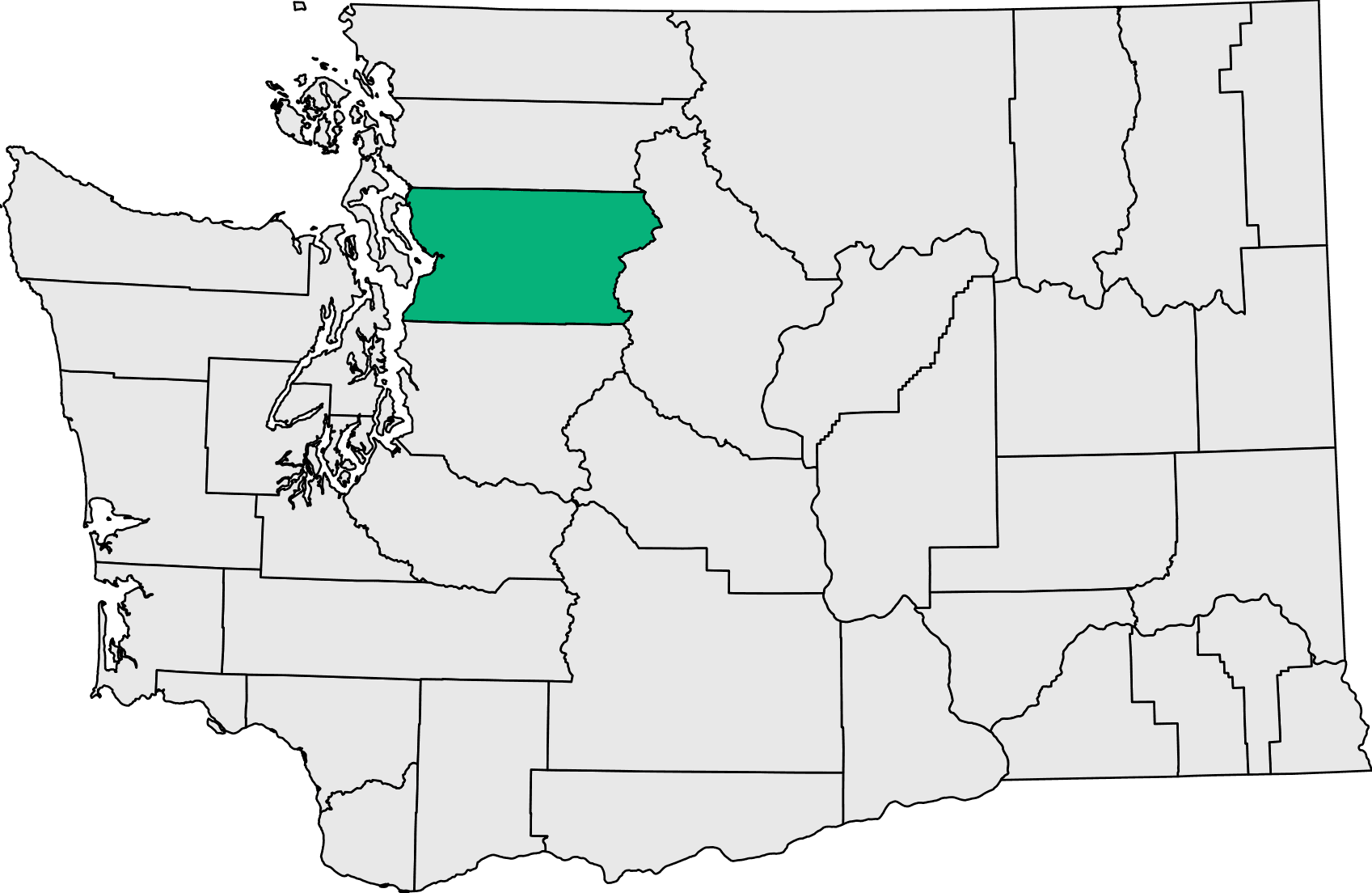
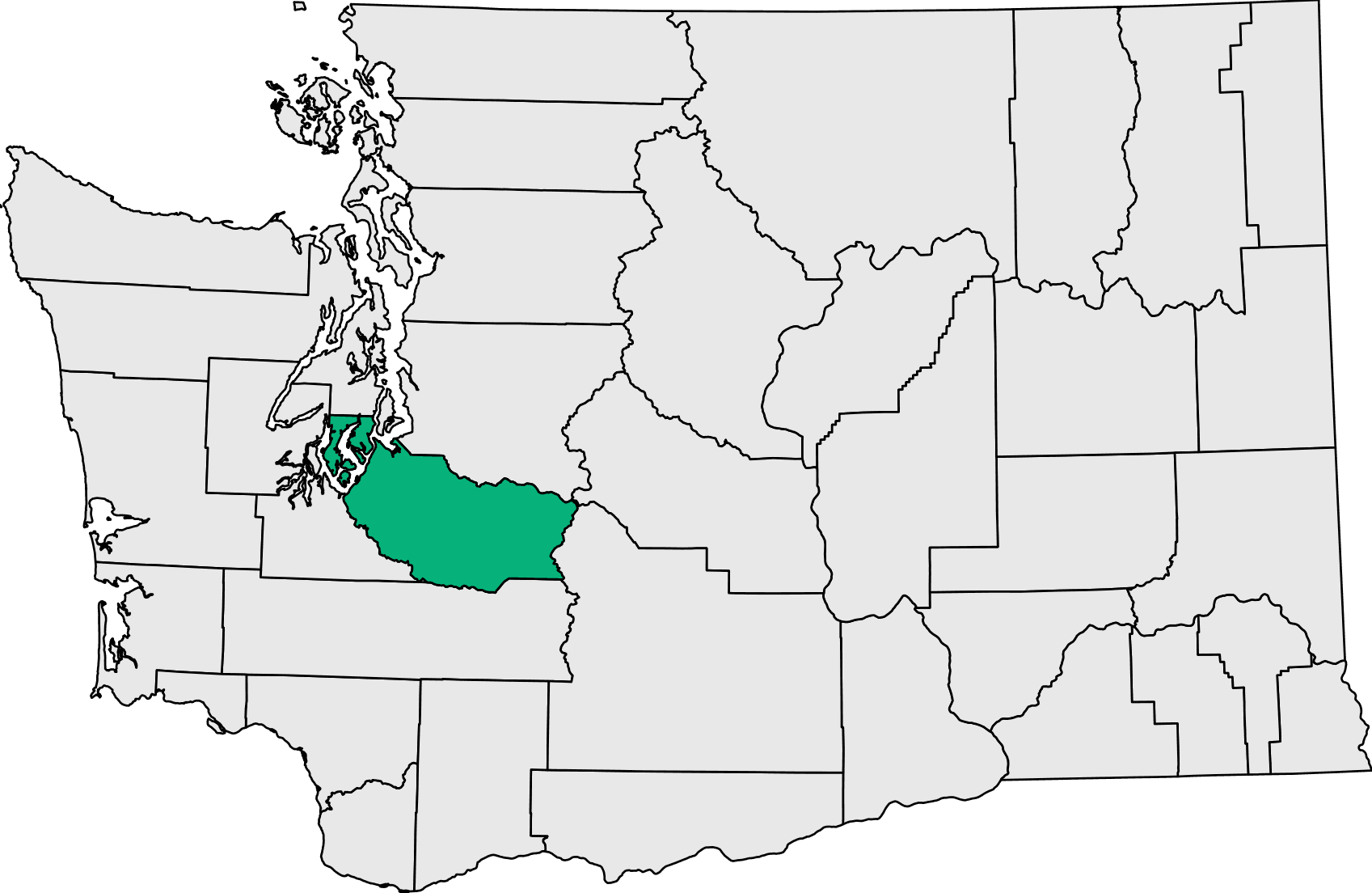
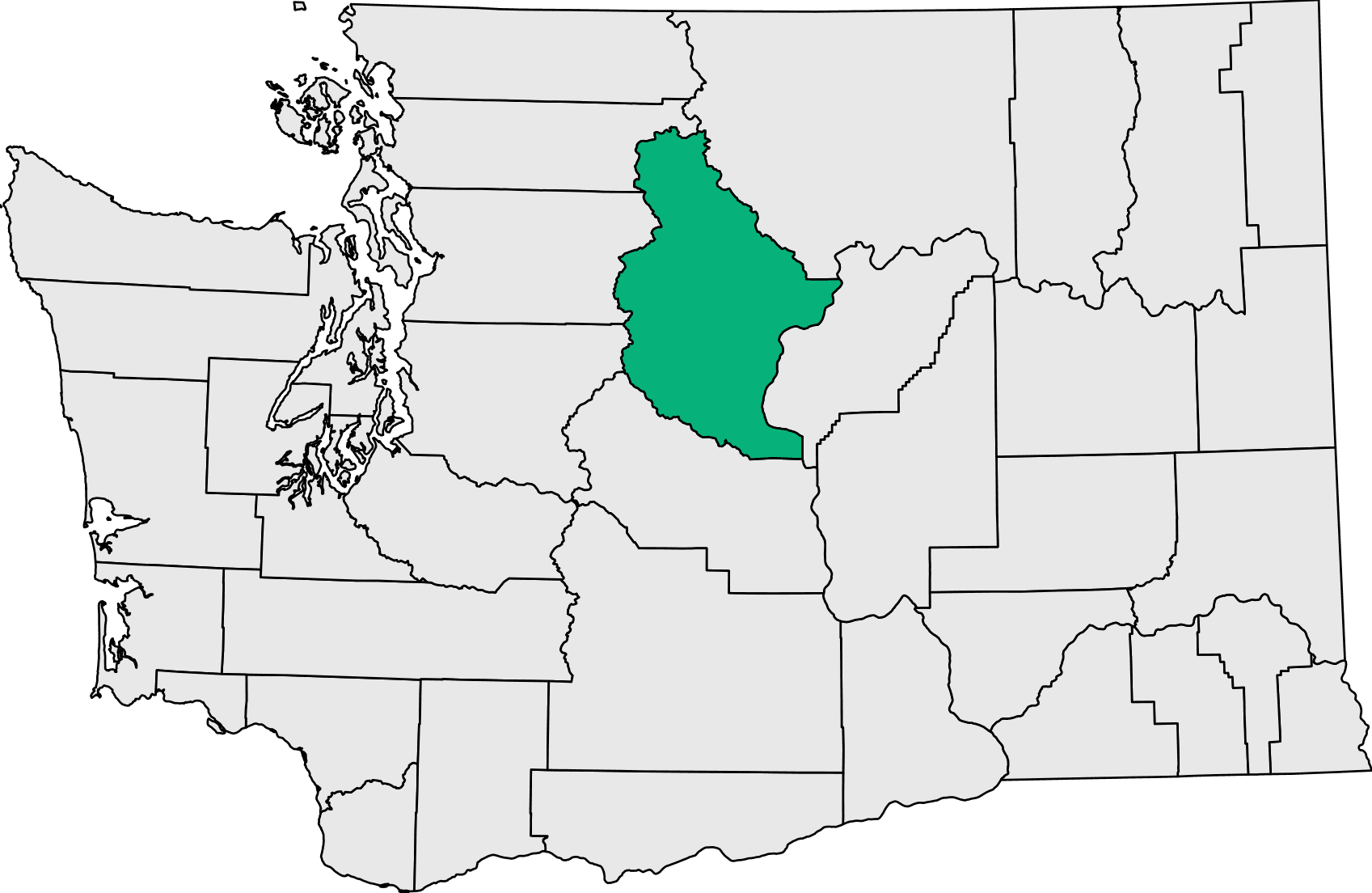
Local availability matters as much as pricing. In some areas, limited openings can push costs higher.
What is not included in assisted living base rates?
Families are often surprised by what is not included in the advertised base rate.
Additional charges may apply for:
Higher levels of personal care
Memory care services
Incontinence supplies
Specialized diets or one-on-one supervision
Transportation beyond basic offerings
Understanding these details upfront, ideally with guidance, helps prevent unexpected increases after move-in.
How do families pay for assisted living in Washington?
Most families pay for assisted living through a combination of resources:
Private pay from savings or retirement income
Long-term care insurance, if in place
Proceeds from selling a home
Veterans benefits such as Aid and Attendance
Limited Medicaid programs for qualifying individuals
For families weighing private pay, Medicaid, or long-term planning, understanding how elder law and estate planning affect care costs can help avoid unnecessary financial strain later.
Assisted Living vs Other Senior Care Options
Assisted living is only one option. Depending on needs and budget, families may also consider:
Adult family homes, which are often lower cost and more personal
Memory care, which provides higher supervision for dementia
In-home care for those who can remain safely at home
Skilled nursing for complex medical needs
Comparing these options side by side often reveals better long-term value, not just lower monthly pricing.
Assisted Living Cost FAQs in Washington State
Questions about costs often come up early, and having guidance at this stage can prevent missteps later in the process.
Is assisted living cheaper than memory care in Washington?
Yes, in most cases assisted living costs less than memory care. Memory care typically costs more because it requires higher staffing levels, specialized dementia training, and added safety features. Some assisted living communities offer limited memory support, but dedicated memory care programs are usually priced separately.
Do assisted living costs increase over time?
They can. Costs may increase due to annual rate adjustments, changes in care needs, or added services. Many communities reassess care levels periodically, which can affect monthly pricing. Understanding how and when increases occur is an important part of choosing the right community, and is often easier with local guidance.
Are move-in or community fees refundable?
It depends on the community. Some assisted living communities charge a one-time community or move-in fee, which may be partially refundable or non-refundable. Reviewing written details with an advisor before signing can help families avoid unexpected terms or limitations.
Does Medicaid help pay for assisted living in Washington?
Medicaid generally does not cover room and board in assisted living. In some cases, Medicaid waiver programs may help pay for certain care services, but availability and eligibility are limited. Planning ahead is important if Medicaid may be needed in the future.
What costs are usually not included in the base assisted living rate?
Base rates usually include rent, meals, and basic support, but families often pay extra for higher levels of personal care, memory care programs, incontinence supplies, specialized diets, one on one supervision, and transportation beyond basic offerings. The exact add ons vary by community, so it is worth confirming the pricing worksheet before touring.
Can assisted living really cost more than $10,000 or $20,000 per month?
Yes. While many residents pay closer to the base rate, assisted living costs can exceed $10,000 to $20,000+ per month when someone needs extensive physical assistance, frequent monitoring, or high staff involvement. At that point, families often compare assisted living with memory care, adult family homes, or skilled nursing to find the best fit for both care and cost.
When should you start planning for assisted living?
Families who plan early tend to have more choices and better cost control. Waiting until a crisis often limits options and increases expenses.
If you are unsure which type of care fits best, a conversation with a local advisor can clarify next steps before costs escalate.
Get Help Understanding Your Options
At Silver Age, we help Washington families compare assisted living costs alongside other care options, using real local data and current availability.
Many families choose to work with an advisor early, before touring or contacting communities, so pricing structures, care levels, and potential fees are clearly understood as options are narrowed, rather than uncovered late in the process.
Get Your Personalized Care Roadmap or Book Your Care Planning Call to review options with a local advisor who understands Washington’s senior care landscape.